
Retailers responsible for 25% of greenhouse gas emissions, struggle to meet sustainability goals
Good morning! National Filet Mignon Day is usually a good time to enjoy a steak dinner. We recommend it. 🍽
But let’s change gears: greenhouse gas emissions.
The retail industry has a huge weight on its shoulders - decarbonization. According to the Boston Consulting Group and Ascential’s World Retail Congress, retailers are directly responsible for a staggering 25% of the global greenhouse gas emissions.
Check out today’s featured article from Supply Chain Dive to read about the retail industry’s failure to meet Scope 3 greenhouse gas targets and what can be done to step up their sustainability game. ☕️

Travel World GIF By YEETZ! via GIPHY
Featured Article:
‘We have to do something’: Can retail close the gap on supply chain emissions?
“The industry is woefully behind on Scope 3 targets for greenhouse gases. Data poses steep challenges, but experts say retailers still can — and must — do more.”
Business Expansion 🤝
Tyson Foods expands prepared foods facility in Illinois
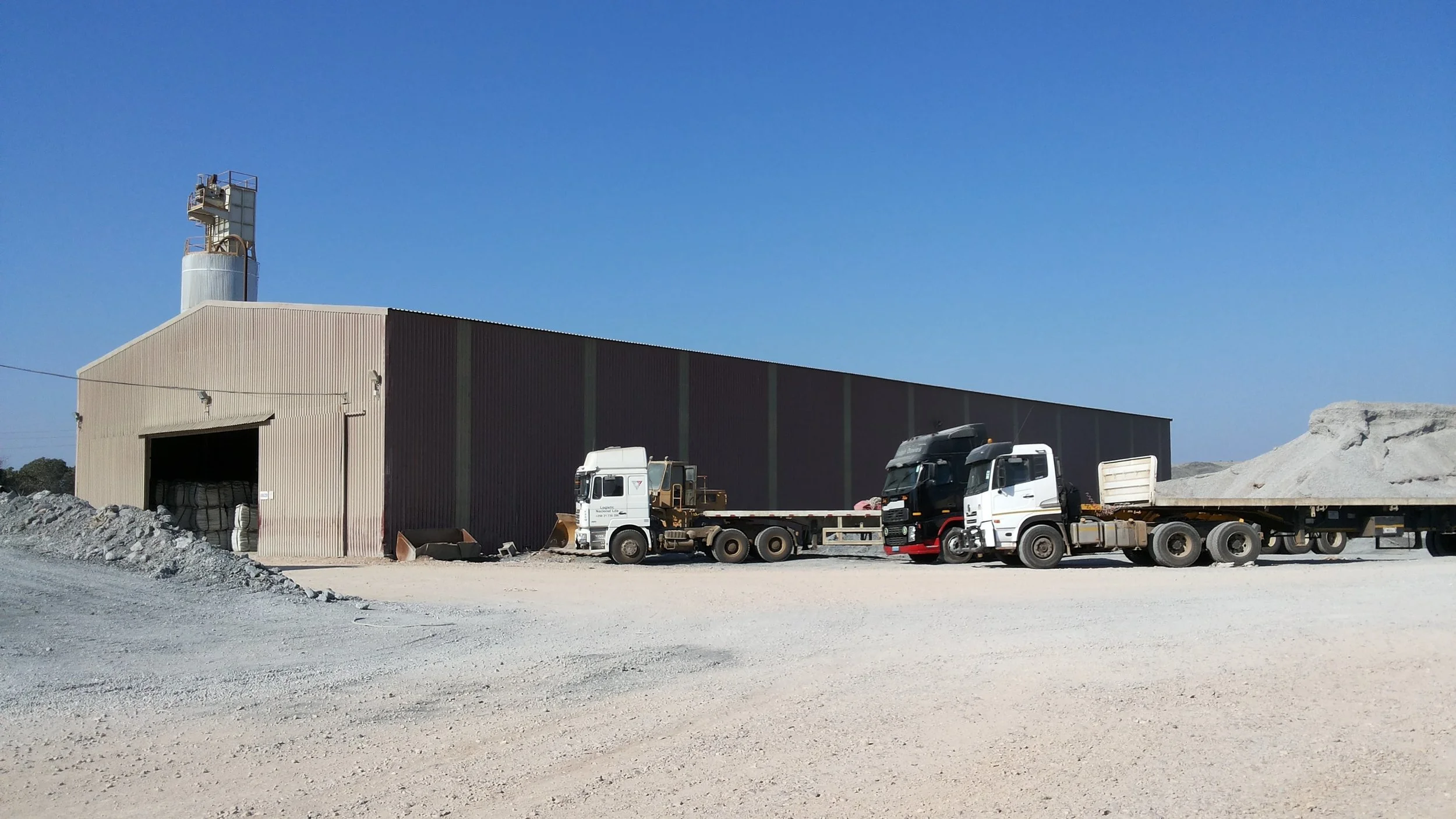
The price tag on the expansion? $180 million.
Tyson Foods, well-known for delicious frozen chicken nuggets, has announced plans for a 170,000-square-foot expansion of its Caseyville, Illinois facility. The increased space is expected to introduce an additional 250 jobs to the company’s roster by the time the project should be completed in the summer of 2023. Currently, the facility is home to 293 employees that recently received a pay raise - currently hourly wages sit at a minimum of $21 per hour.
Tyson Foods CEO Donnie King previously announced on a May earning call that third-quarter expansion projects were in development. The company is also currently working on a $90 million capacity expansion project at its chicken processing plant in Mississippi.
Bring on the chicken!
Shortages 🛒
Food production struggles without key ingredients for “junk food”
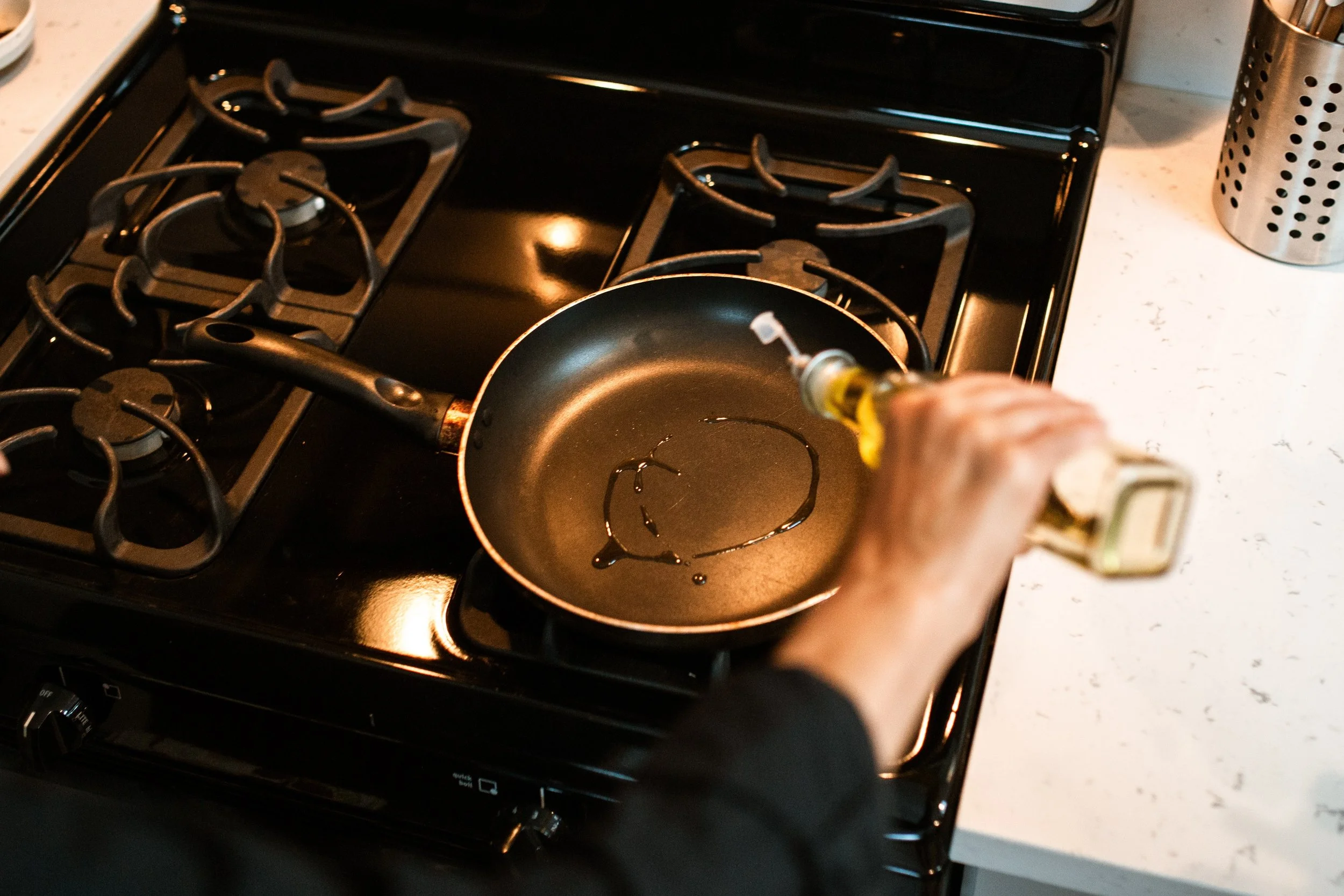
Hostess Brands CFO Travis Leonard is sounding the alarms - Twinkie production is hitting a wall.
Production scheduling challenges and transportation inefficiencies can all cast blame for the serious ingredient shortages compounded by the Russian invasion of Ukraine that has lasted since late February. Large food brands such as General Mills, Conagra Brands, and Mondelēz International are struggling with production issues due to the lack of global sunflower oil exports. The Ukraine region was responsible for 31 % of the ingredient in 2020-2021. Simply, Russia and Ukraine were responsible for 28% of the global wheat production - and they seem a bit busy at the moment with other concerns.
Due to the shortage, companies are now turning to substitute ingredients - such as Brazilian soybean and Canadian rapeseed oil. However, environmental factors have left even those substitutes in short supply, as well.
What will we do without Nutter Butters?!





The Workday Dash is an aggregation of articles regarding the transportation logistics, trucking, and supply chain industries for July 31, 2025, from iLevel Logistics Inc.