
FDA releases 2023 regulations for temperature-regulated food in transit
Good morning! Sunday Funday - get at it. 🎉
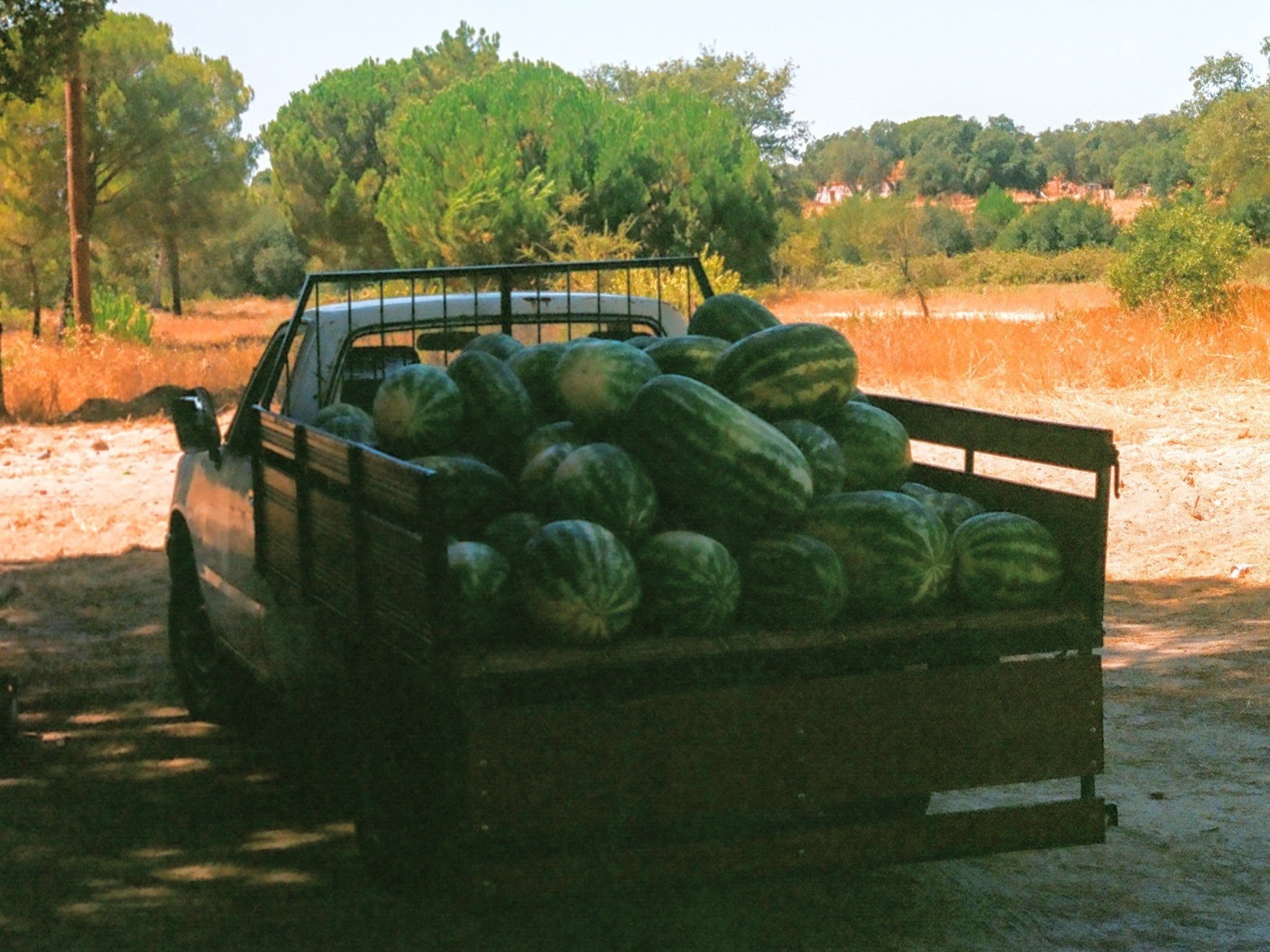
The U.S. Food and Drug Administration (FDA) released a new list titled “Section 204”, showcasing its new regulations unveiled with the Food Safety Modernization Act (FSMA). Certain “high-risk” foods will need to stay cool during transit - some items being specific cheeses, fish, vegetables, and ready-to-eat salads sold in grocery store delis.
Check out today’s featured article from DC Velocity to read about the upcoming 2023 strict food tracing regulations being set by safety regulators and what may be required by shippers and carriers to ensure those requirements are met. ☕️
Featured Article:
Grocery trade group prepares for 2023 launch of stricter food tracing regulations - DC Velocity
“FDA will require close tracking of 16 high-risk foods under Section 204 of FSMA rule.”
Inflation 💸
Procurement professionals swerve inflation pressures by getting creative

July inflation remained high at 8.5%, and procurement professionals are trying to find new ways to deal with all the pressure. From renegotiating contracts to diversifying the company’s supplier base, there seems to be a dire need to offset the astounding inflation growth within the past year.
Toronto-based procurement software company TealBook surveyed 200 executives for large companies to get the bigger picture. A whopping 94% of those surveyed said that it was a major priority to obtain lower-cost sources.
Fuel ⛽️
National average cost of gasoline sits at $3.99, lowest since March
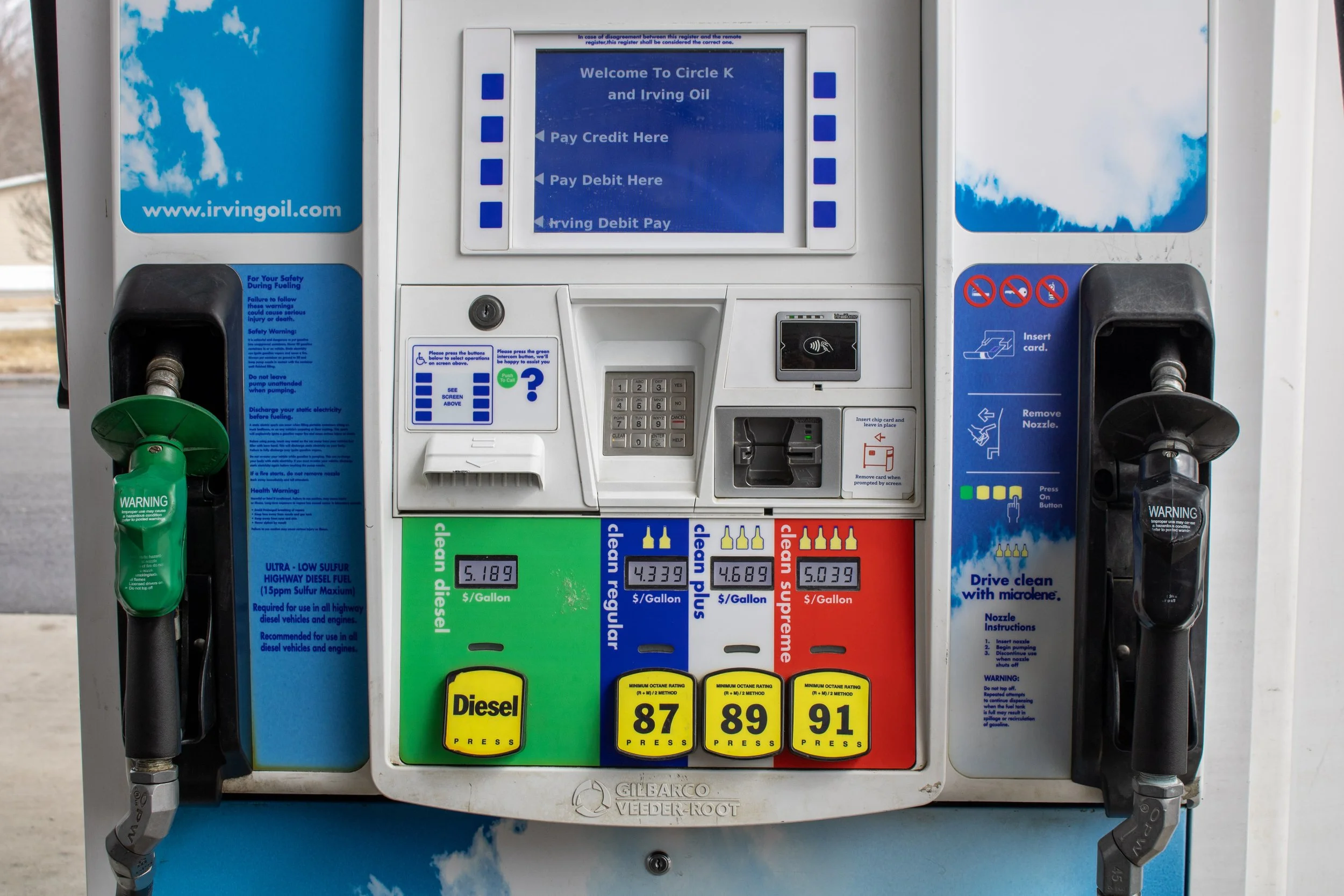
Americans have been struggling with rising gas prices since early this year, but finally, they’ve seen the smallest bit of relief. The New York Times reported that the average price of gasoline per gallon is now $3.99. While still higher than one year ago, it’s a stark difference from the mid-June peak national average of $5.02. This is the 58th day in a row that the price was fallen by marginal amounts.
Energy and gas prices are the largest culprits for the staggering inflation rate.





Hurricane Milton is expected to hit Florida’s Gulf Coast late Wednesday night or early Thursday morning.