
Lingual Load-Up, Climate Data Blackout, & Shell-shocked Savings
🥚📦☀️ Welcome to The Workday Dash – where the supply chain never sleeps (but sometimes scrambles).
Today’s menu:
– The FMCSA is suddenly very interested in your English skills—B-1 drivers are feeling the heat and cross-border freight just got a compliance curveball.
– The National Climate Assessment website ghosted us. Hope you weren’t planning on future-proofing anything.
– And after months of shellshock, Waffle House cracked and dropped their 50¢ egg surcharge. Supply chain victory never tasted so sunny side up.
Let’s dash.
“Success is stumbling from failure to failure with no loss of enthusiasm.”
🚛💥 Northbound Rates Are Spiking – and It’s Not Just Fuel Prices
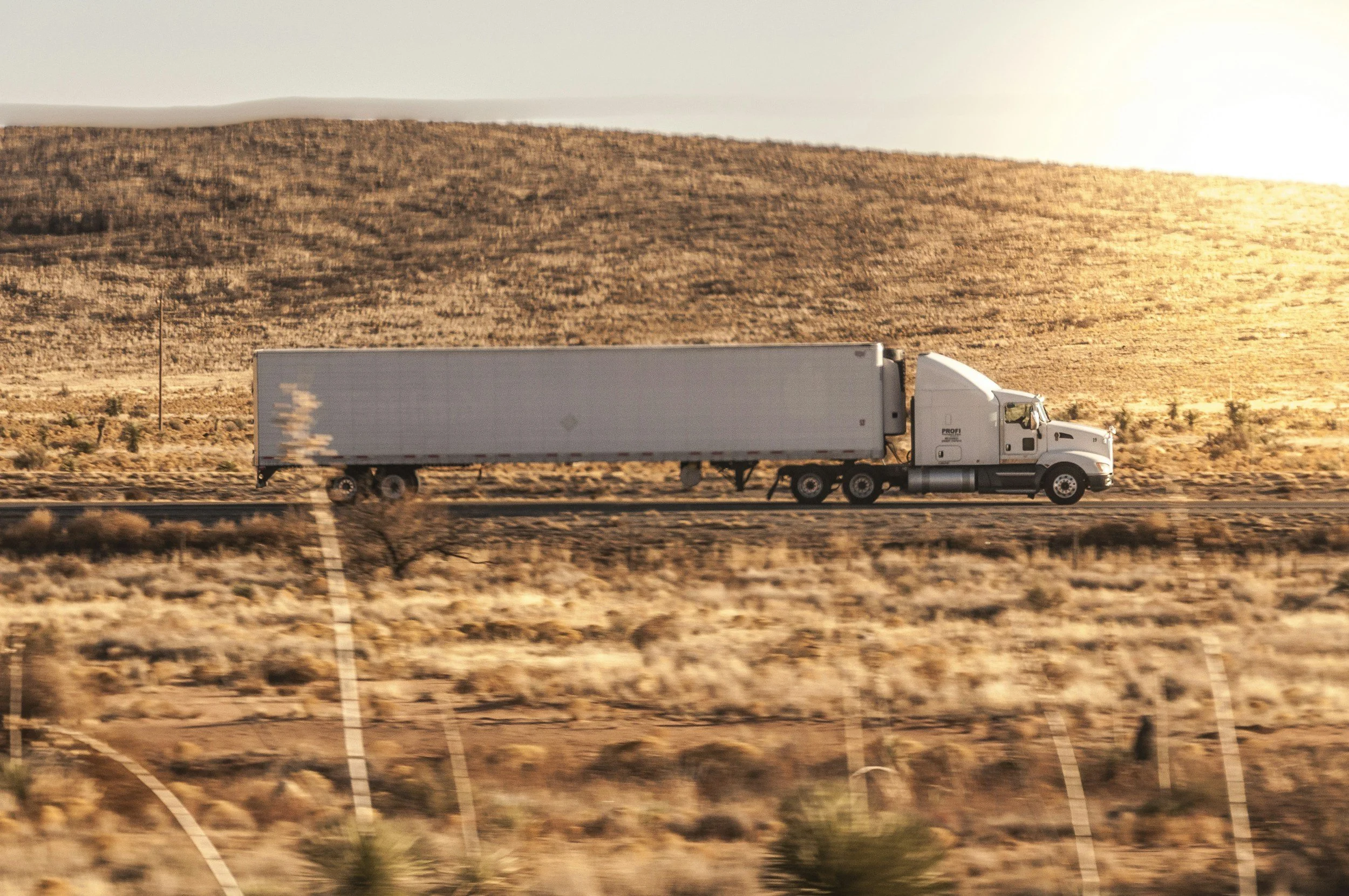
The FMCSA just started actually enforcing English language proficiency (ELP) rules for B-1 visa drivers—and cross-border freight is feeling the burn.
Drivers who can't confidently speak English? Now facing immediate out-of-service orders. The result? Fewer trucks on the road. Less capacity. Northbound rates pushing $4/mile.
Border hubs like Laredo (aka the artery of U.S.-Mexico trade) are scrambling—some carriers are training drivers, others are parking trucks.
📍Why should you care?
If you’re in logistics, especially cross-border freight or rely on Mexican carriers, this isn’t a niche issue—it’s a margin crusher. Labor. Compliance. Market volatility. It’s all connected.
🔥 Hot Take: The rule didn’t change. The vibe did. Regulatory enforcement is the new market disruptor—and if you're not tracking those mood swings, you're not managing risk.
🌎📉 The Climate Report Vanished—But the Risk Didn't

The National Climate Assessment website just went dark. Yep, the main hub for localized, real-time climate impact data—used by city planners, farmers, educators, and, yep, logistics pros—is offline.
No announcement. No plan. Just…gone.
(Oh, and the team working on the next edition? Fired.)
This is the report that helps us understand stuff like rising sea levels at port cities, wildfire smoke risks along trucking routes, and how climate disruptions are reshaping infrastructure. Congress requires it every 4 years. The last one came out in 2023.
💡 Why logistics people should care: This isn’t just a tree-hugger problem. It's a supply chain survival problem. Less access to climate data = less foresight = more costly surprises.
🔥 Hot take: You can’t run freight blind. Scrapping public climate tools doesn’t slow climate change—it just screws with our ability to dodge the fallout.
🍳 Waffle House Just Dropped Its Egg Surcharge—And That’s Bigger News Than You Think
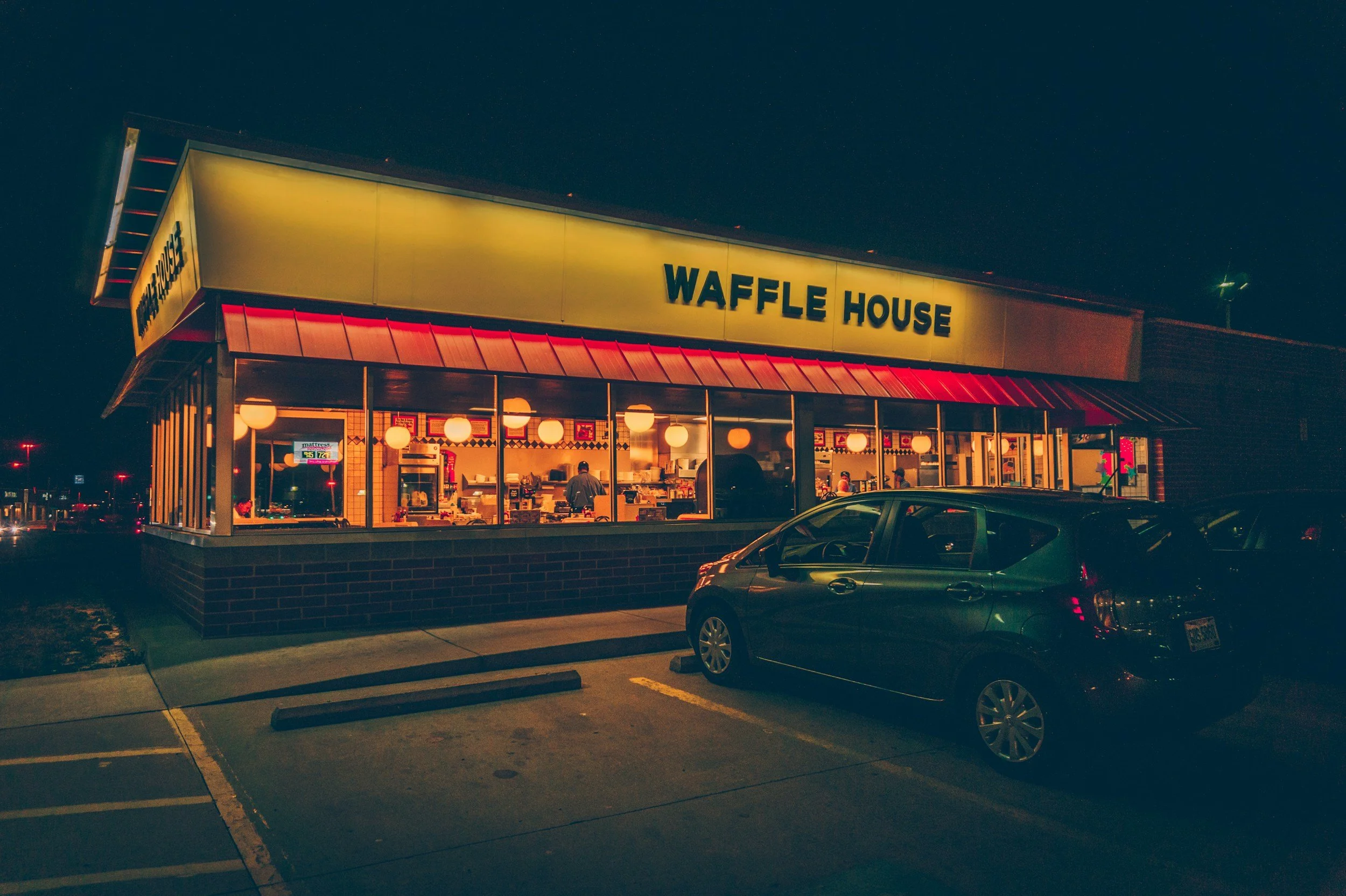
After months of scrambled supply chains (literally), Waffle House has finally cracked the 50¢ egg surcharge. The fee was slapped on in February when avian flu decimated millions of egg-laying hens, causing prices to spike and supply to nosedive.
Now, with prices cooling and supply slowly stabilizing, Waffle House—home to 272 million eggs served a year—is bringing some relief to your breakfast bill.
🥚 Why logistics professionals should pay attention: This isn’t just about brunch. It’s a wake-up call on how fragile food logistics are. One virus sent the egg supply into chaos, forced pricing shifts, and disrupted delivery networks across the board.
🔥 Hot take: If Waffle House had to charge extra for eggs, you know the supply chain was fried. Bird flu just proved that biosecurity risks can break your margins faster than a port jam.





The Workday Dash is an aggregation of articles regarding the transportation logistics, trucking, and supply chain industries for July 31, 2025, from iLevel Logistics Inc.