
BNSF Delays Phoenix Logistics Hub Vote, Pear Recall Over Lead, and U.S. Beef Export Hopes Fizzle
Good morning! ☀️
Today’s headlines are serving up a full course of “wait, what now?”
🚂 BNSF just hit pause on its $3.2B Logistics Park Phoenix vote. Looks like even freight trains can’t outrun zoning politics.
🍐 Over in canned goods land, Parashore Pear Slices are off the menu after getting flagged for lead and cadmium. (Heavy metal isn’t just for music anymore.)
🇦🇺 And while Australia’s rolling out the welcome mat for U.S. beef, don’t expect a trade stampede… our cows are pricey, and they prefer their steaks grass-fed, not marbled.
Hang tight, grab a (safe) snack, and let’s run the route. The dash is on.
“To give real service, you must add something which cannot be bought or measured with money, and that is sincerity and integrity.”
BNSF Hits the Brakes on $3.2B Intermodal Hub in Arizona 🚧
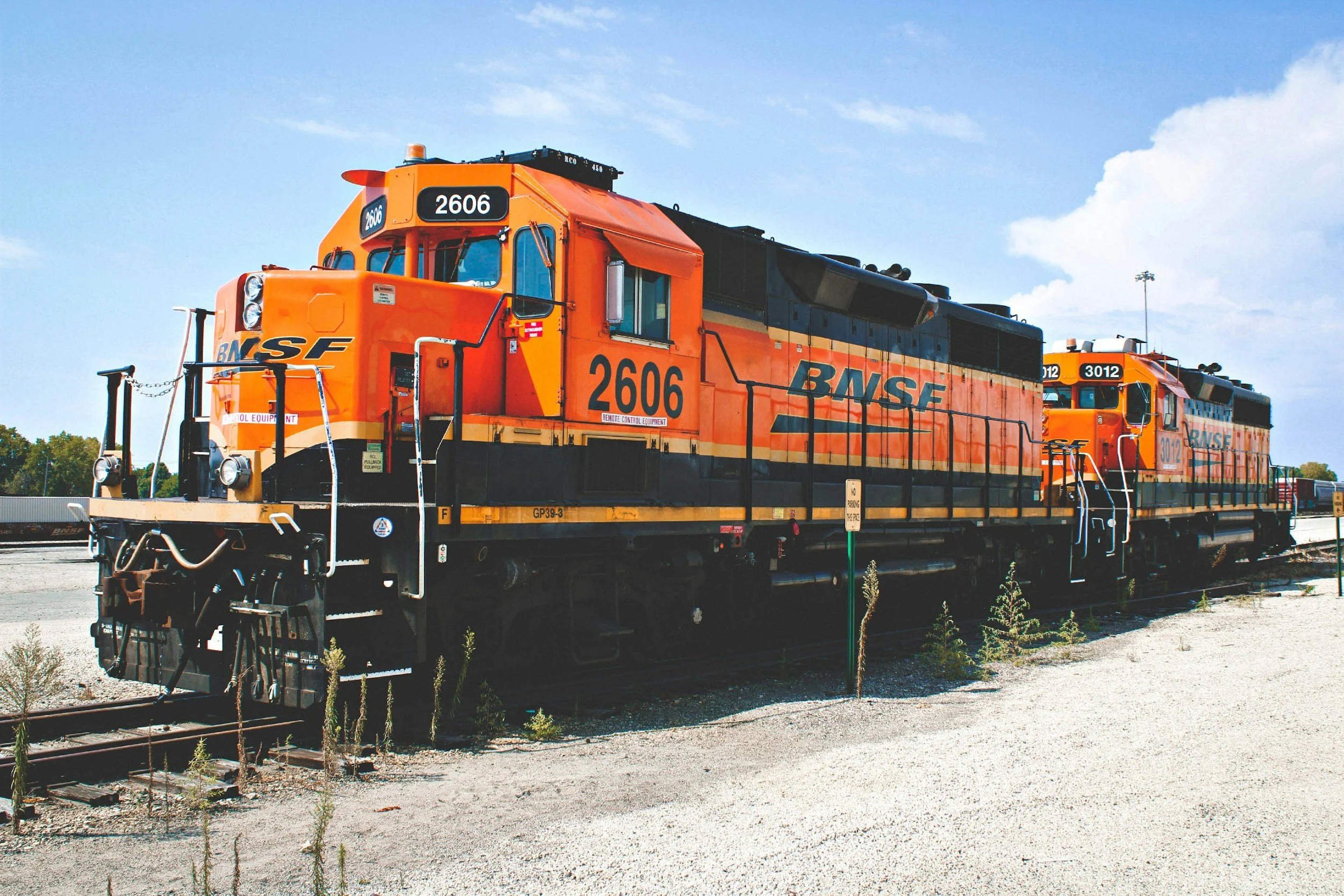
What happens when a $3.2 billion logistics powerhouse runs into a town of 684 people? You hit pause.
BNSF just asked Maricopa County to delay the zoning vote for its massive Logistics Park Phoenix project until November. Why? To tweak the rezoning app and calm growing community pushback over traffic, noise, and pollution. The 4,321-acre plan includes an intermodal terminal, warehousing sites, and rail-served logistics center. Basically, a regional freight game-changer. But now? The 2025 construction timeline is looking… unlikely.
Meanwhile, Wittmann locals are going full “not in my backyard” and even pushing for cityhood to block it. Yes, really.
Why Logistics Professionals Should Care:
This hub could streamline freight routes and boost distribution capacity across the Southwest. But the delay = extended congestion, tighter capacity, and longer lead times for anyone relying on Phoenix as a routing node.
🔥 Hot Take:
Even a billion-dollar rail plan can get DERAILED by public pushback. If you think zoning is just paperwork, think again… it's make-or-break.
Toxic Pears Prompt Nationwide Recall

Yep, you read that right: toxic pears. A recall just dropped on 15oz cans of Parashore Pear Slices in Juice, thanks to elevated levels of lead and cadmium flagged by the Maryland Department of Health. The culprit? A batch from W.W. Industrial Group, sold at Grocery Outlet stores across the U.S. (Lot #3700/01172 6122J, if you’re checking your pantry.)
No illnesses yet… but don’t let that fool you. Long-term exposure to these heavy metals can mess with everything from kidney health to brain development, especially in kids and pregnant women.
📦 Why Logistics Professionals Should Care:
Food recalls like this are a reverse logistics stress test. Think: pulling product from national shelves, managing customer refunds, rerouting contaminated inventory, and handling regulatory heat. In a shelf-stable supply chain, traceability and QA packaging protocols aren't just nice-to-haves—they're survival tools.
🔥 Hot Take:
It only takes one bad batch to turn your SKU into a lawsuit. So if your packaging process isn’t tight, your whole supply chain is riding on a pear-shaped time bomb. 👀
U.S. Beef to Australia? Not So Fast.

Australia just opened the gates to more U.S. beef… but don’t fire up the export grill just yet. Despite the hype (and Trump’s “we’ll sell so much beef” claim), the U.S. isn’t exactly poised for a meat boom Down Under.
Here’s why:
Cattle supply in the U.S. is the lowest since 1961
U.S. beef prices are through the roof
Australians prefer grass-fed, not our grain-fed marbled cuts
We import way more Aussie beef than we export
Yes, the relaxed biosecurity rules are a win for market access and traceability. But let’s be real; it’s a symbolic W, not a trade revolution.
🚛 Why Logistics Professionals Should Care:
This highlights deeper supply chain imbalances. Between herd cuts, import bans from Mexico, and looming tariffs on Brazil, the U.S. cold chain is under pressure. More imports mean increased reefer demand, more complexity, and tighter margins.
🔥 Hot Take:
We’re not exporting steaks - we’re importing supply chain stress. Whoever owns the cold chain right now? They’re the real king of the meat market.





The Workday Dash is an aggregation of articles regarding the transportation logistics, trucking, and supply chain industries for July 31, 2025, from iLevel Logistics Inc.