
Tesla’s Robotaxi Rollout, Crude Awakening Ahead, & Rare Earth, Real Problems
Good morning from The Workday Dash — where Teslas are driving themselves, oil’s playing limbo, and China’s got the world on edge with a handful of rare metals. ⚡🛢️🧲
1️⃣ Tesla just actually confirmed its robotaxi pilot in Austin this June—no steering wheels needed, just a software update and a little Elon confidence.
2️⃣ Oil prices took a 2% dip after OPEC+ started hinting at turning the spigot back up. Supply meets suspense.
3️⃣ And China? They just hit the supply chain with a rare earth reality check—clamping down on exports that power everything from EVs to missiles.
So whether you're rerouting freight or rethinking your sourcing strategy, today’s a reminder that the future moves fast—and sometimes autonomously.
“We need to accept that we won’t always make the right decisions, that we’ll screw up royally sometimes — understanding that failure is not the opposite of success, it’s part of success.”
Tesla’s Robotaxi Plans Just Got Real(ish)
Tesla just dropped some real news: it’s actually launching a pilot robotaxi service in Austin this June—starting small with 10–20 existing Model Ys (no fancy new hardware, just a software glow-up).
While Cruise hit the brakes and Waymo’s cruising slow and steady, Elon’s betting big that millions of Teslas will be rolling solo by late next year. Bold? Yep. But imagine your personal car moonlighting as a rideshare or delivery bot—this could totally flip the script on mobility and last-mile logistics.
Oh, and that sleek, no-steering-wheel Cybercab? Still slated for 2026.
✅ Why It Matters:
A robotaxi fleet that runs on software updates—not specialized builds—opens up wild potential for urban freight and on-demand delivery. Think: vehicles that swap between people and package mode with a tap.
🔥 Hot Take:
The next delivery van? It might be a Model Y on autopilot. Welcome to logistics 2.0—smarter, leaner, and rolling up without a driver.
OPEC+ Throws a Curveball—And Tariff Talk Catches It
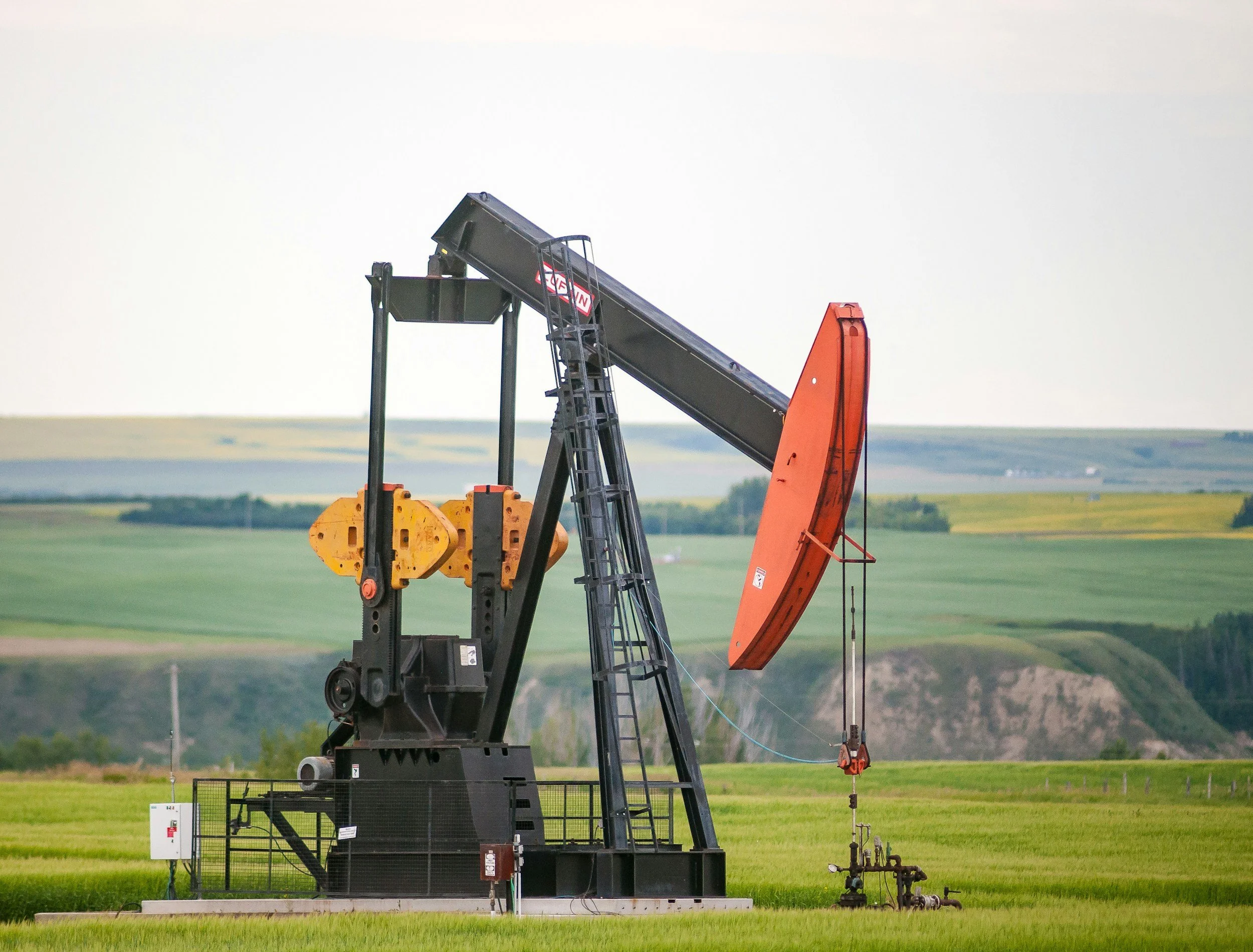
Oil prices dipped nearly 2% yesterday after whispers that OPEC+ might ramp up production again next month. Brent landed at $66.30 and WTI slipped to $62.50—down from earlier highs. A little friendly quota-breaking by Kazakhstan didn’t help, and U.S. crude stockpiles ticked up, adding more downward pressure.
But just when it looked like oil was headed for a steeper slide, the U.S. floated a possible tariff cut on Chinese imports, easing trade tension and softening the blow to prices. Add in new sanctions on Iran and a sudden truce between President Trump and Fed Chair Powell, and you’ve got your classic oil market chaos cocktail.
✅ Why It Matters:
Fuel costs don’t just live at the pump—they ride shotgun in every freight contract, route plan, and rate negotiation. When OPEC+ shifts gears, so does your cost model.
🔥 Hot Take:
It’s not just barrels and charts—it’s your bottom line. When the world sneezes, logistics gets a fuel surcharge.
China’s Rare Earth Clampdown Could Jam Global Supply Chains

China just turned up the pressure in the trade game, slapping export restrictions on seven rare earth elements that are essential to everything from EV motors and wind turbines to defense systems. Companies like Tesla and top U.S. defense contractors could be in a serious bind—most only stock 2–3 months' worth of inventory, and new export licenses could take 60+ days.
This isn’t just a diplomatic jab—it’s a logistics landmine. The U.S. doesn’t currently have the capacity to process heavy rare earths, and with China expected to control 77% of global refining by 2030, the supply chain squeeze is very real.
✅ Why It Matters:
These minerals power sensors, motors, warehouse robotics, EVs, and even delivery drones. If they’re stuck in customs limbo, lead times get longer, costs creep higher, and resilience plans go into overdrive.
🔥 Hot Take:
It’s not just about minerals—it’s about momentum. Rare earths might be buried underground, but this bottleneck could surface fast across logistics and manufacturing. Time to audit that supply chain.





The Workday Dash is an aggregation of articles regarding the transportation logistics, trucking, and supply chain industries for July 31, 2025, from iLevel Logistics Inc.