
Market Street Showdown, Stormed and Ghosted, & Freight and Wait
Good morning from The Workday Dash — where urban planning meets robotaxis, storm recovery drags on, and freight contracts are playing hard to get. 🚧🤖📉
1️⃣ San Francisco gave Waymo the keys to Market Street, and Uber’s not thrilled. Let the AV turf war begin.
2️⃣ In Swannanoa Valley, NC, Hurricane Helene may have moved on, but the wreckage—and the wait for federal help—sure hasn’t.
3️⃣ And shippers? They're side-eyeing every contract like it’s 2008 again. Thanks, tariffs and inflation.
Grab your coffee, buckle up, and don’t be surprised if your route today includes detours, delays, and a driverless Jaguar.
“Make every detail perfect, and limit the number of details to perfect.”
Uber, Waymo, and the Battle for Curb Space
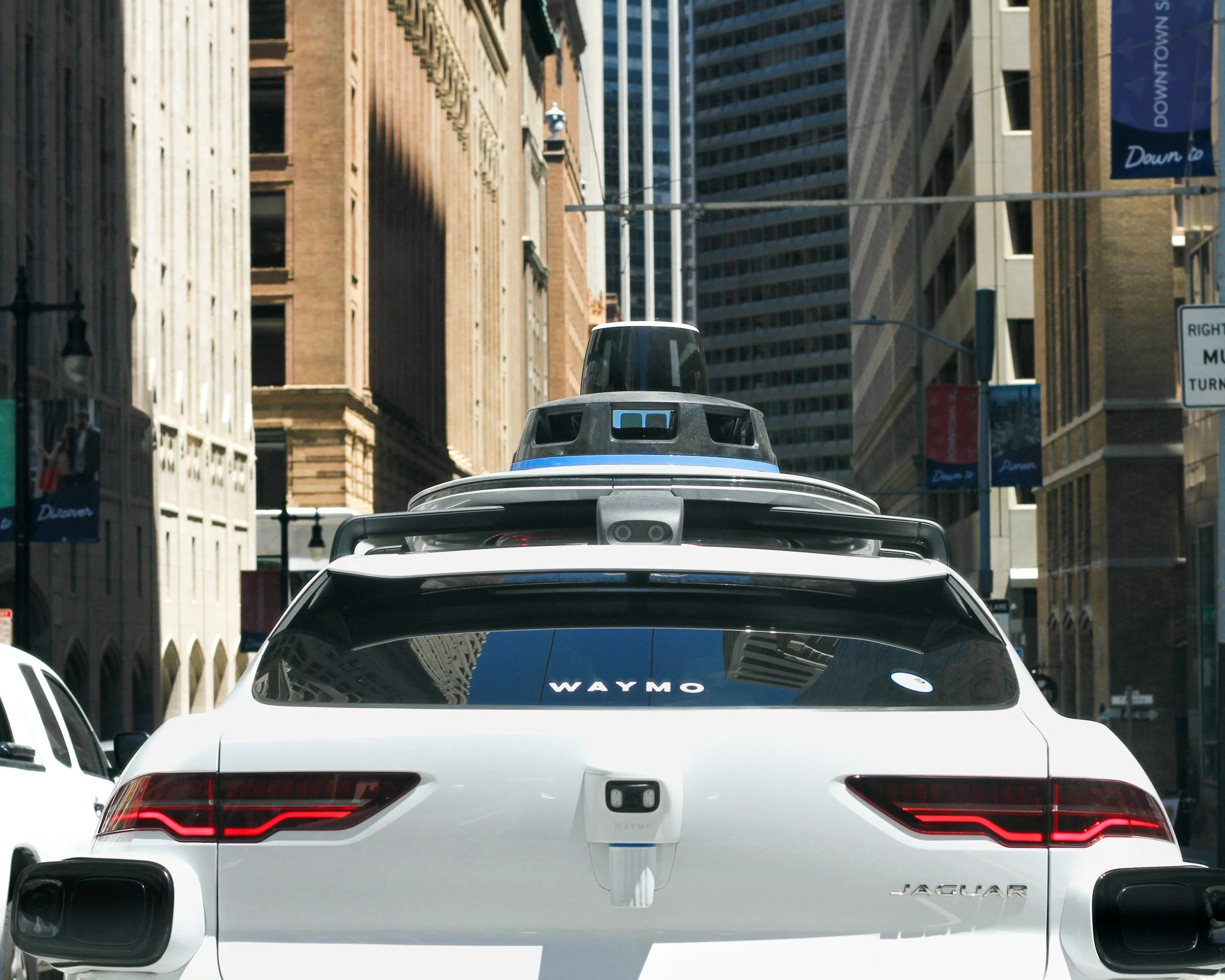
San Francisco just dropped a curveball: Waymo’s robotaxis are getting near-exclusive access to Market Street—a corridor that’s been off-limits to private vehicles since 2020. The twist? Uber and Lyft were barely looped in before the deal went public. Now Uber’s threatening legal action, calling the move unfair and lacking transparency.
Uber says it’s played by the rules for years and wants equal access—especially since it can track vehicle activity just like it did for events like the DNC and the Paris Olympics. Meanwhile, the city’s betting on autonomous safety stats and downtown revitalization.
But here’s the kicker: this isn't just a rideshare feud—it’s a glimpse into how cities might start choosing tech winners in transportation.
✅ Why It Matters:
If AVs get fast-tracked into city centers while everyone else waits at the curb, logistics, freight, and last-mile delivery could face some real rerouting headaches.
🔥 Hot Take:
The AV arms race isn’t just about who’s first—it’s about who gets the green light. And if your fleet still has a human behind the wheel, your urban access might be on borrowed time.
Storm Recovery Stalled as Federal Cuts Leave Communities Hanging

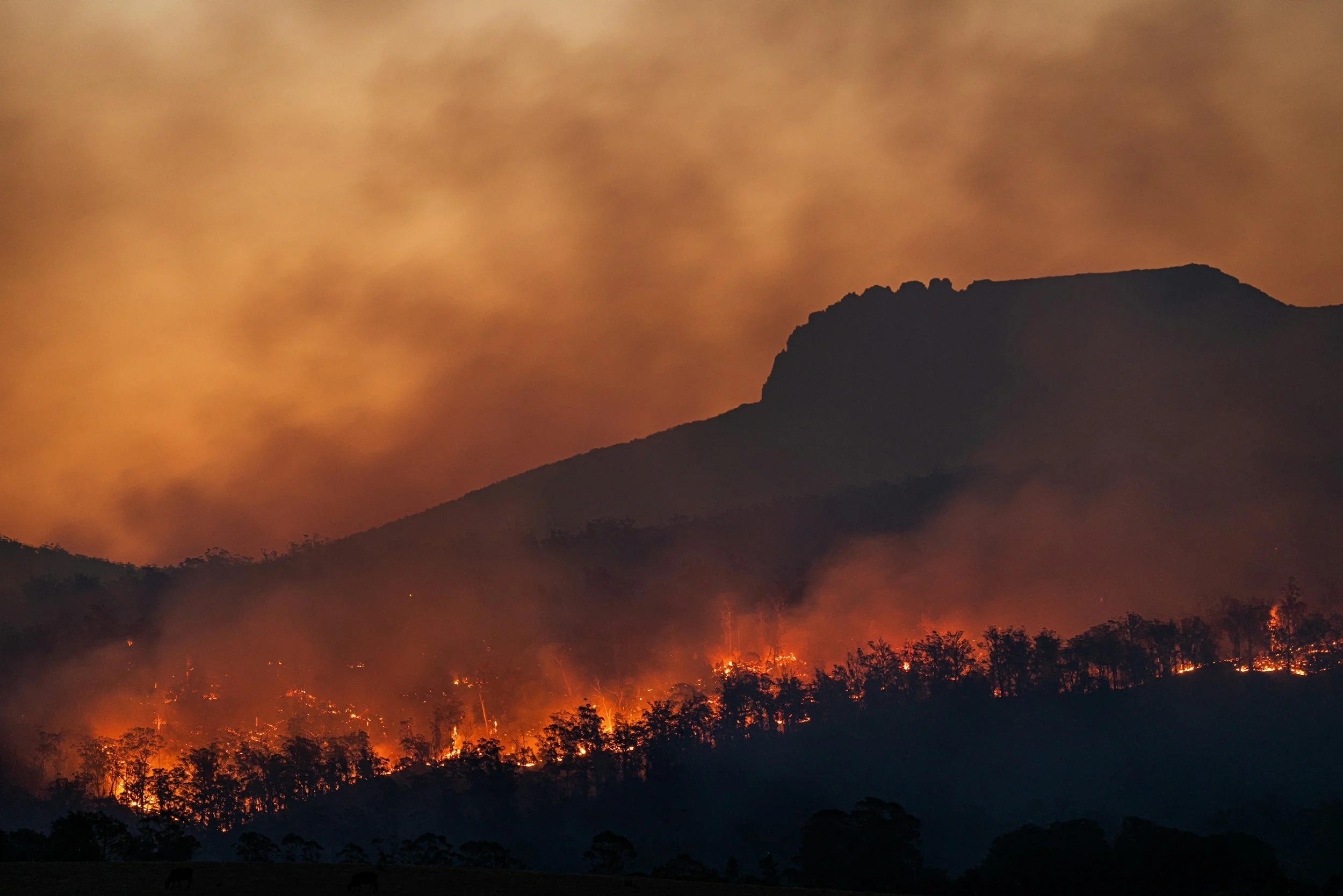
Nearly 7 months after Hurricane Helene slammed North Carolina’s Swannanoa Valley, the damage is far from over. Homes are still unlivable, roads are busted, and many families are surviving in tents and RVs. A CDC team was set to hit the ground with a boots-on-the-ground assessment—but just days before deployment, they were laid off due to sweeping federal budget cuts under HHS Secretary Robert F. Kennedy Jr.
That team? The only federal crew specialized in rapid public health response after environmental disasters. Gone. Along with other critical programs like lead poisoning prevention and cruise ship outbreak tracking.
Local health departments are now left holding the bag—and residents are still waiting. One Swannanoa leader said it best: “We feel like we’ve been forgotten.”
✅ Why It Matters:
No recovery = no road access. No safe infrastructure. No reliable freight movement. And for rural communities, that hits twice as hard.
🔥 Hot Take:
If disaster teams don’t show up, your shipments won’t either. This isn’t just a health issue—it’s a supply chain bottleneck waiting to happen.
Freight Contract Freeze? Yep, It's That Season.
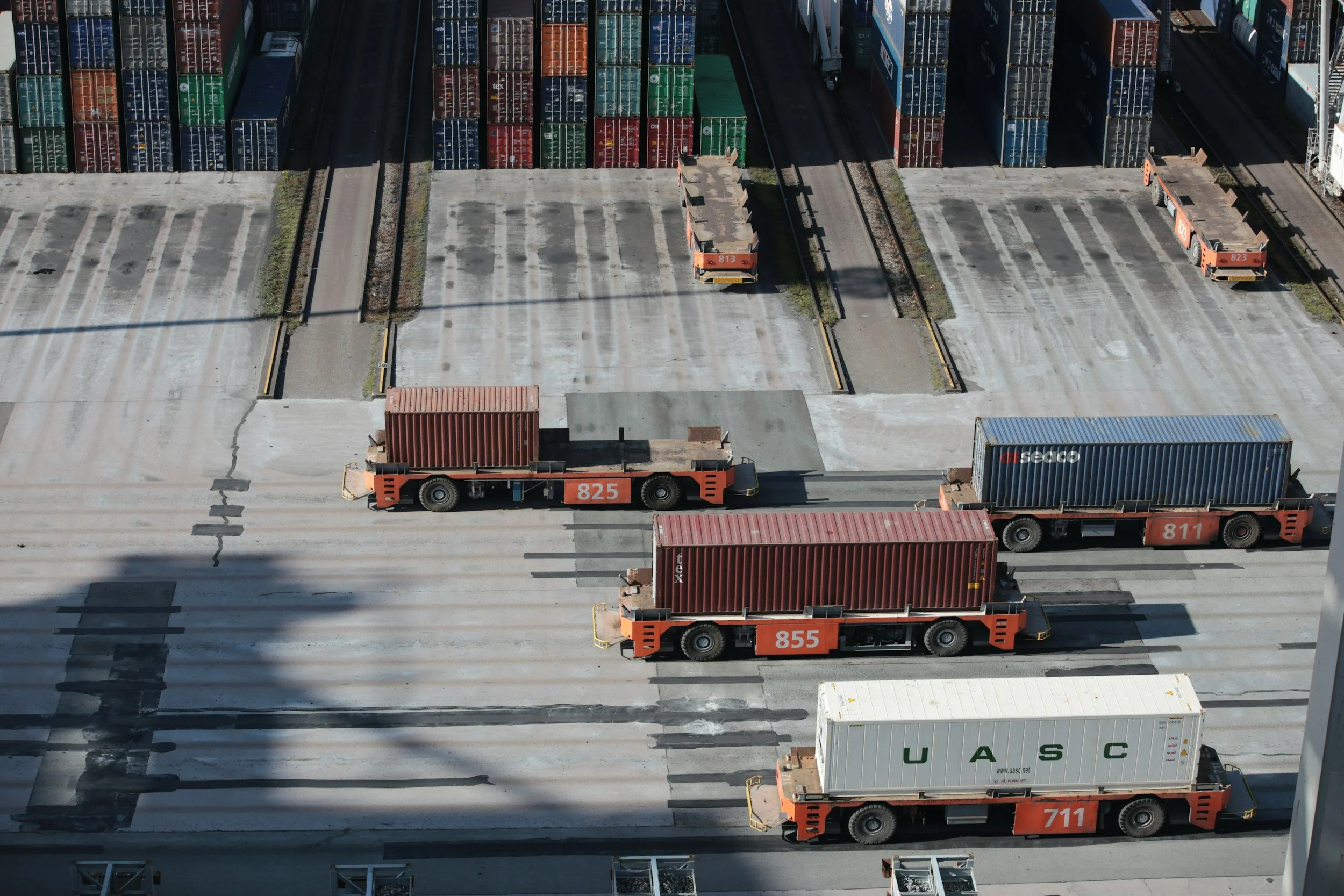
Shippers are hitting pause on contracts, and it’s giving major déjà vu to the Great Recession. On J.B. Hunt’s latest earnings call, execs revealed that many clients are stalling on decisions—tariffs (up to 145% on Chinese imports) and inflation have everyone second-guessing long-term rates.
Even though intermodal bid season is still in full swing, carriers are only seeing modest wins keeping existing customers at lower rates. Q1 wasn’t pretty—revenue slipped 1%, operating income dropped 8%, and spot rates aren’t helping either.
It’s a classic standoff: shippers want flexibility, carriers want stability, and both sides are bracing for what’s next.
✅ Why It Matters:
Slower contracts = slower planning across the board. From warehouse shifts to route planning, the ripple hits everyone in the supply chain.
🔥 Hot Take:
This isn’t rate negotiation—it’s rate poker. The freight game just got a little more high-stakes.



The Workday Dash is an aggregation of articles regarding the transportation logistics, trucking, and supply chain industries for July 31, 2025, from iLevel Logistics Inc.